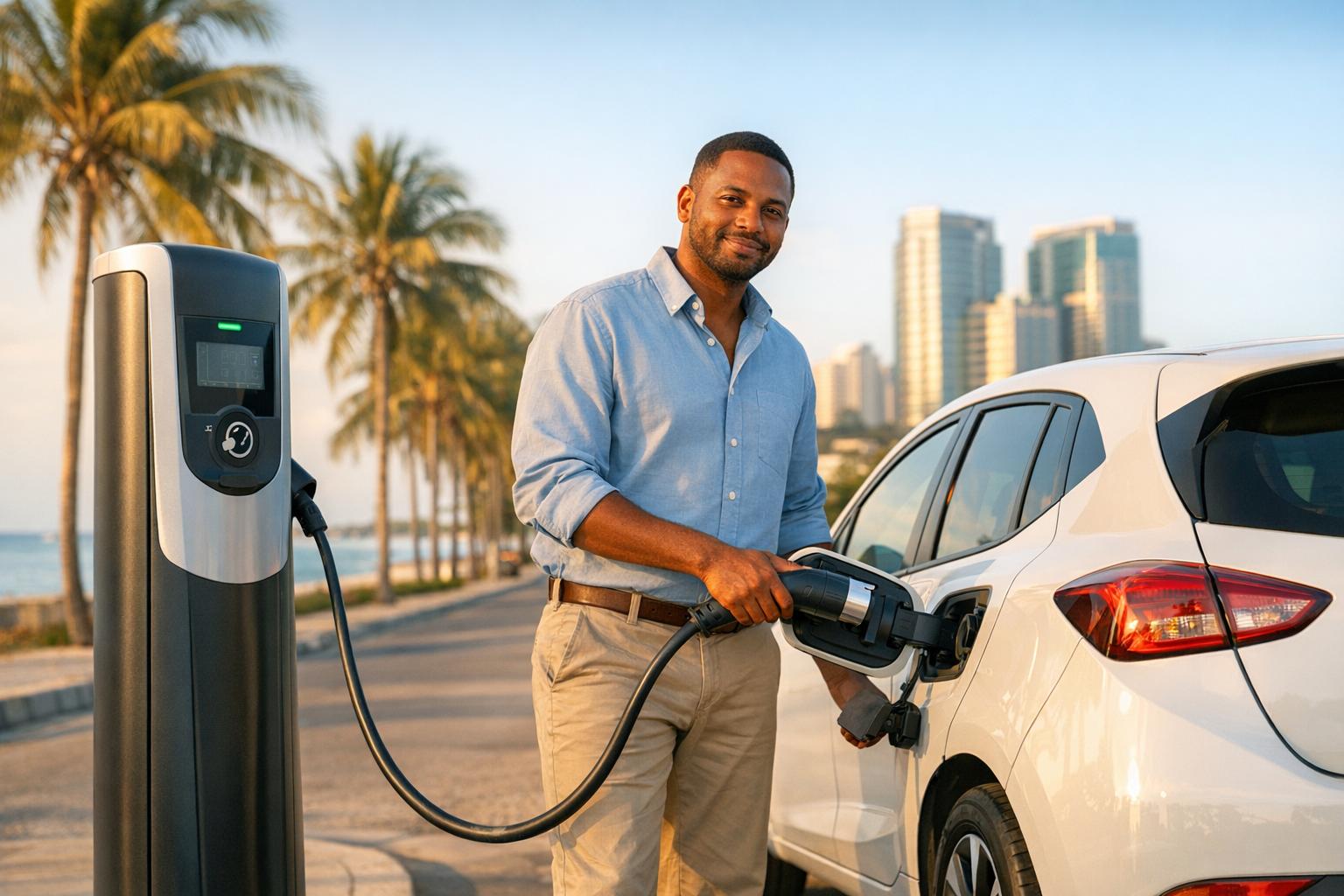
Electric cars are gaining traction in Tanzania, with over 5,000 EVs on the road by 2025. This growth is supported by tax exemptions, lower running costs, and expanding infrastructure. Here’s what you need to know:
- Cost Savings: Driving an EV costs about TZS 6,000 per 100 km, compared to TZS 32,000 for petrol cars. EVs also benefit from 100% VAT and excise duty waivers, significantly reducing purchase costs.
- Models Available: Options range from budget-friendly models like the BYD Dolphin and Nissan Leaf to luxury options like the Tesla Model X and BMW i7.
- Charging Infrastructure: Tanzania has 15 public charging stations, mainly in Dar es Salaam, with plans to expand to 50 stations by 2027 and 500 by 2030. Home charging is the most reliable option.
- Challenges: Limited charging stations, high upfront costs, and road conditions are key considerations. SUVs and crossovers are better suited for rural roads.
Tanzania’s EV market is growing fast, making 2025 an ideal time to switch to electric mobility. Whether for cost efficiency or reducing fuel dependency, EVs are becoming a practical choice for many Tanzanians.
Government Policies and Incentives for Electric Vehicles
The Tanzanian government has introduced several measures to make electric vehicles (EVs) more affordable and encourage their adoption. A major highlight is the 100% VAT exemption on all-electric vehicles. Normally, buyers would face an 18% tax, but for EVs, this is entirely waived. On top of that, there’s a 100% exemption from excise duty, offering even more savings.
Another key benefit comes in the form of reduced import duties. While traditional vehicles are subject to a 25% import duty, all-electric vehicles enjoy a significantly lower rate during customs clearance at the Port of Dar es Salaam, as processed by the Tanzania Revenue Authority (TRA). However, it’s important to note that these exemptions apply exclusively to fully electric vehicles – hybrids are not eligible for the same level of tax relief.
The government is also making strides in building the necessary infrastructure to support EVs. A draft e-mobility framework outlines plans for 500 charging stations across the country and aims for 5% of all vehicle sales to be electric by 2030. TANESCO, the state utility company, has already launched a pilot charging station in 2025, with a goal to expand to 50 stations by 2027. To bolster this effort, the World Bank has stepped in with a $200 million Energy Sector Reform Program to enhance grid capacity and support the transition.
"We are working towards including incentives in the tax laws to create a supportive environment for EV registration and charging infrastructure."
– Dr. Gerald Kafuku, Innovation and Technology Manager, Commission for Science and Technology (Costech)
For those looking to finance EV imports, it’s essential to request a pro-forma invoice, as Tanzanian banks require this for loan pre-approval. Additionally, working with a clearing agent familiar with EV TRA codes is crucial to ensure proper exemption processing. Keep in mind that while the tax exemptions significantly reduce costs, you’ll still need to pay standard registration fees for number plates and port service charges.
Next, we’ll dive into the range of EV models available in Tanzania to help you find the perfect fit for your needs.
Electric Car Models Available in Tanzania
Tanzania’s electric vehicle (EV) market offers a variety of options, ranging from budget-friendly city cars to upscale luxury sedans. Brands like BYD and Geely from China are gaining traction, thanks to their competitive pricing and advanced technology. For instance, the BYD Dolphin Active, priced at approximately USD 11,800 (CIF), features the Blade Battery technology, known for passing rigorous safety tests. It also includes a V2L (Vehicle-to-Load) function, allowing the car to act as a mobile power source during power outages. Another popular option is the compact Geely Panda Mini, an affordable choice ideal for navigating busy city streets like those in Dar es Salaam.
For those who need vehicles capable of handling Tanzania’s challenging road conditions, electric SUVs and crossovers are a better fit. Models like the BYD Song Plus, the Mercedes EQA (around USD 25,300 FOB), and the Lexus RZ are designed with higher ground clearance to tackle rough terrain. Meanwhile, the Nissan Leaf remains a favorite for city driving, available in both new and used versions.
Luxury buyers have choices like the BMW i7 (about USD 70,800 FOB), the Tesla Model X (used 2017 models starting at USD 23,550 FOB), and the Mercedes Benz EQB. Regardless of the model, it’s crucial to request a detailed condition report for used imports, particularly to assess battery health, as this directly impacts range and resale value. Below, we explore some specific models that meet different needs in Tanzania.
Nissan Leaf
The Nissan Leaf is a practical option for first-time EV buyers navigating urban areas like Dar es Salaam. Its compact design makes parking easier, and the availability of both used and new models accommodates various budgets. For example, used 2018 models are priced between USD 7,600 and USD 7,750 FOB, while new 2025 models range from USD 14,250 to USD 14,750 FOB. Before purchasing, it’s essential to obtain a comprehensive battery report.
With a range of about 150 miles (240 km) per full charge, the Leaf is well-suited for daily commutes. Charging is convenient too – a Level 2 charger can replenish the battery in 4–8 hours, significantly faster than the 12–24 hours needed with a standard wall socket. Plus, operating costs are much lower, approximately TZS 6,000 per 100 km compared to roughly TZS 32,000 for petrol.
Renault Zoe
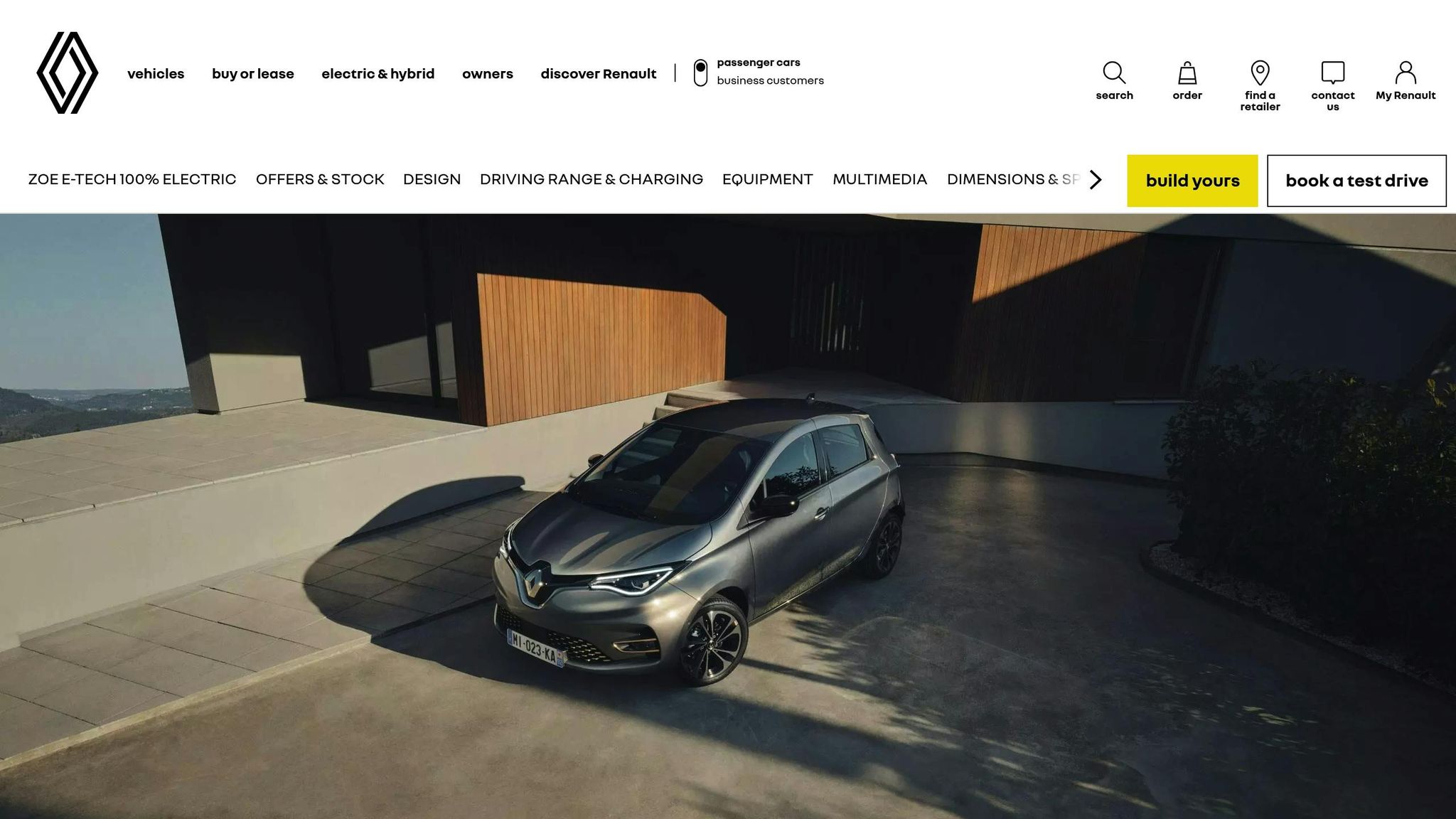
The Renault Zoe is designed for efficient daily driving, making it a great choice for short trips within the city. While specific local pricing isn’t widely available, the Zoe can be imported through channels sourcing vehicles from Europe, Asia, and Japan. Its compact size is perfect for maneuvering through congested streets, particularly in Dar es Salaam. Additionally, the Zoe benefits from a 100% VAT exemption and excise duty waiver, significantly lowering its overall cost compared to similar petrol-powered vehicles.
When importing a Zoe, it’s advisable to work with a clearing agent familiar with the EV tariff exemption process at the Port of Dar es Salaam. Financing options are also available, with banks like NMB and CRDB offering loans for EV imports, simplifying the purchase process.
BMW i3
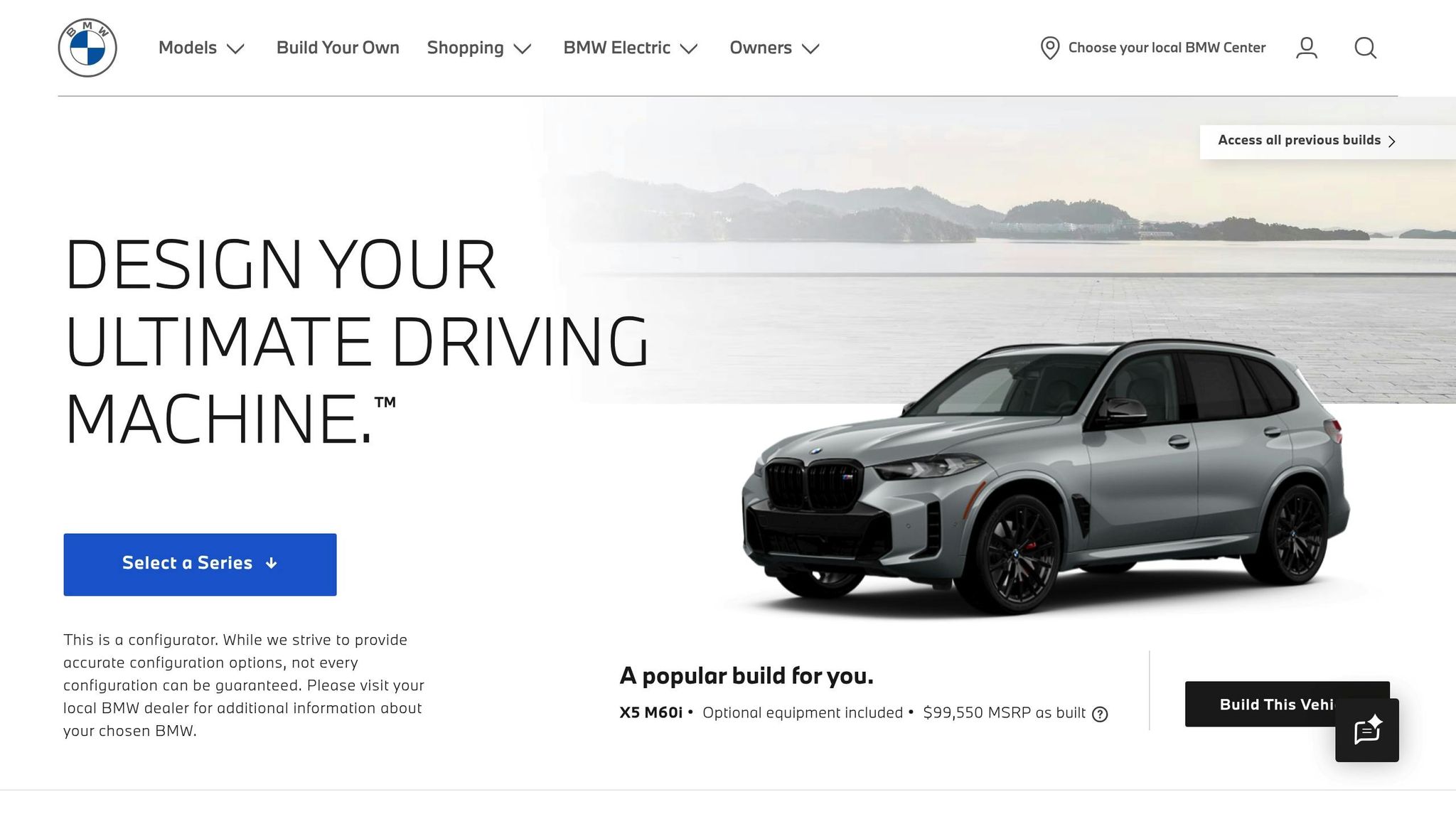
The BMW i3 stands out with its advanced features and agile handling, making it a strong contender in Tanzania’s growing EV market. Its lightweight carbon fiber construction contributes to an extended driving range, a valuable feature given that Tanzania currently has about 15 public charging stations, most of which are located in Dar es Salaam. This makes the i3 a versatile option for those needing flexibility beyond city limits. However, buyers should note that despite tax exemptions, standard registration fees and port service charges still apply, reflecting its premium price point.
Tesla Model X
For those seeking luxury and long-range capabilities, the Tesla Model X offers state-of-the-art technology. A used 2017 model is available for around USD 23,550 FOB, making it a premium choice in the Tanzanian market. Its extended range makes it suitable for intercity travel, such as trips from Dar es Salaam to Arusha or Mwanza, especially as the National EV Corridor project expands fast-charging infrastructure.
Tesla’s advanced battery management system is particularly advantageous in Tanzania’s warm climate. To maintain battery health over time, it’s recommended to limit DC fast charging to 80%. Charging to this level typically takes 30 to 60 minutes at compatible fast-charging stations, ensuring both convenience and longevity.
Charging Stations and Infrastructure in Tanzania
Tanzania currently has around 15 public charging stations spread across the country [3, 6]. Most of these are located in Dar es Salaam, with a few in Arusha and at least one in Zanzibar [3, 4, 6]. These chargers are typically found in convenient spots like shopping malls, business centers, hotels, and office complexes. While still limited, this network is laying the groundwork for significant expansion in the near future.
The Tanzanian government, along with TANESCO, has set ambitious goals to expand EV infrastructure. Plans include increasing the number of charging stations to 50 by 2027 and reaching 500 by 2030. A major initiative in progress is the creation of a National EV Corridor, which will link Dar es Salaam to Mwanza with fast chargers, making intercity EV travel more practical. For individual EV owners, installing a Level 2 wall-box charger at home ensures your car is ready to go each morning [3, 2].
To locate charging stations, apps like PlugShare and ChargeNet are helpful tools. They provide live maps, show plug compatibility, and list pricing details [3, 2]. Payments can be made using mobile money or bank cards. If you’re planning a long trip, such as the journey from Dar es Salaam to Arusha, it’s wise to map out charging stops ahead of time and have a backup plan in case a station is unavailable.
For those using DC fast chargers, keep in mind they slow down after reaching 80% charge to protect the battery. It’s usually best to unplug at that point – after about 30 to 60 minutes – and continue your trip.
Meanwhile, startups like GreenCharge Africa are stepping up to fill the gaps in rural areas. They’re working on solar-powered charging stations in regions like Lindi and Mtwara, which can provide more reliable service during power outages [3, 4]. Despite these advancements, charging at home remains the most cost-effective option for EV owners.
Challenges and Practical Considerations for EV Buyers
Buying an electric vehicle (EV) in Tanzania comes with its fair share of challenges, and being prepared is key. One of the biggest hurdles is the limited public charging network. With only about 15 charging stations nationwide, most of which are concentrated in Dar es Salaam, planning longer trips – like traveling from Dar es Salaam to Arusha – can be tricky. The scarcity of fast chargers along major routes means you’ll need to carefully map out your charging stops, using apps like PlugShare to plan ahead. Even then, having a backup plan is crucial.
Another major consideration is the high upfront cost of EVs. Import expenses and the absence of local EV manufacturing keep prices higher than those of traditional petrol cars, despite tax exemptions. However, while the initial purchase price may feel steep, lower operational costs can make up for it over time. Savings on fuel and maintenance, along with the potential to cover future battery replacements, help balance the scales.
Road conditions in Tanzania also play a significant role in choosing the right EV. Many rural roads are unpaved or riddled with potholes, making ground clearance a critical factor. Buyers often lean toward electric SUVs or crossovers, as they’re better equipped to handle rough terrain compared to sedans. For those who frequently travel outside urban areas, opting for models with higher clearance is a smart move.
Another practical issue is power reliability, which can disrupt home charging. Thankfully, modern chargers are designed to automatically resume charging once electricity is restored. To mitigate these interruptions, consider installing a Level 2 charger along with solar panels. This setup not only reduces reliance on the grid but also slashes charging time from 12–24 hours (Level 1) to just 4–8 hours.
Lastly, there’s the challenge of finding EV-certified technicians. While the number of trained professionals is growing in major cities, it’s still a developing field in Tanzania. Make sure your local mechanics are EVSE-certified to ensure proper maintenance and repairs. As Younes Rabeh from African EV Market News explains:
"For many people, the biggest hurdle is perception, not reality. The truth is, charging infrastructure is growing, and for most daily driving, charging at home overnight is all you’ll ever need".
While these challenges may seem daunting, they’re not insurmountable with careful planning and the right resources.
sbb-itb-d9186c2
Cost Comparison: Electric vs. Gasoline Cars
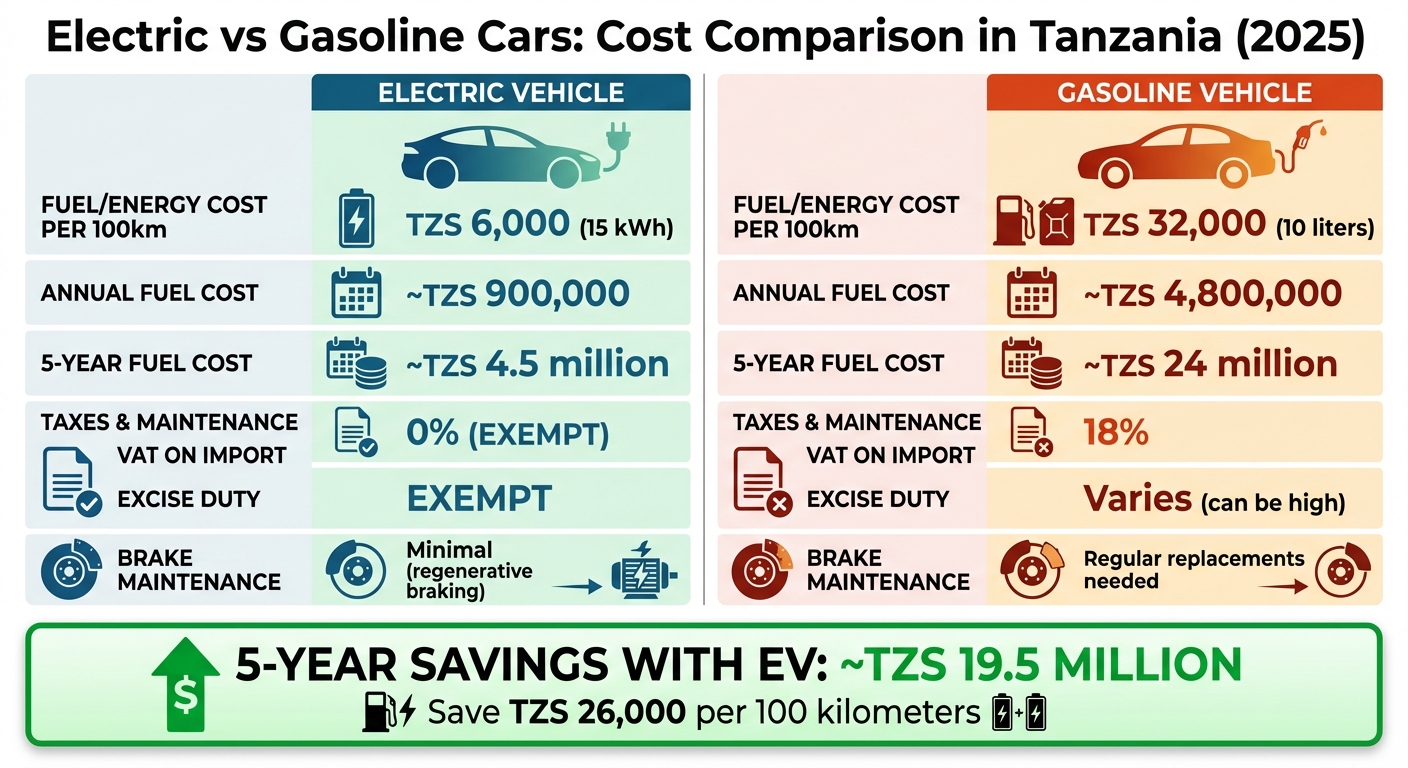
Electric vs Gasoline Cars Cost Comparison in Tanzania 2025
Electric vehicles (EVs) may come with a higher initial price tag, but government incentives help close that gap significantly. For instance, EVs enjoy a 100% Value Added Tax (VAT) exemption, which eliminates the usual 18%, and they are also fully exempt from Excise Duty. These tax breaks make EVs more financially accessible.
Where EVs truly stand out is in their running costs. Charging an EV at home costs about TZS 400 per kilowatt-hour, while petrol is priced at TZS 3,200 per liter. For a 100-kilometer trip, an EV would cost around TZS 6,000, compared to TZS 32,000 for a gasoline-powered car – a difference of TZS 26,000 saved per 100 kilometers.
Maintenance is another area where EVs come out ahead. Gasoline cars require frequent servicing, such as oil changes, spark plug replacements, and exhaust system repairs. EVs, on the other hand, avoid most of these, needing only occasional checks on tires, brakes, and battery health. Plus, regenerative braking systems in EVs reduce wear and tear on brake pads.
Cost Comparison Table
| Cost Factor | Electric Vehicle | Gasoline Vehicle |
|---|---|---|
| Fuel/Energy for 100 km | 15 kWh (TZS 6,000) | 10 liters (TZS 32,000) |
| Annual Fuel Cost | ~TZS 900,000 | ~TZS 4,800,000 |
| VAT on Import | Exempt (0%) | 18% |
| Excise Duty | Exempt | Varies (can be high) |
| Brake Maintenance | Minimal (regenerative braking) | Regular replacements needed |
| 5‑Year Fuel Cost | ~TZS 4.5 million | ~TZS 24 million |
Over five years, EV owners can save approximately TZS 19.5 million on fuel alone, making them a cost-effective choice in the long run.
How to Buy Your First Electric Car in Tanzania
Choosing the right electric car starts with understanding your driving needs. For daily commutes in Dar es Salaam, a compact model like the Geely Panda Mini is ideal. However, if you’re frequently traveling longer distances, such as between Dar es Salaam and Arusha, you’ll need a vehicle with a larger battery to avoid running out of charge mid-trip. It’s also important to consider ground clearance. Tanzania’s roads, which often include potholes and unpaved sections, are better suited for electric SUVs or crossovers than low-clearance sedans. Once you’ve identified the type of vehicle that fits your needs, the next step is securing financing.
Financing options are available. Many Tanzanian banks now offer loans specifically for imported electric vehicles, following a process similar to that for traditional cars. Getting pre-approved for a loan not only clarifies your budget but also speeds up the buying process. To qualify, you’ll need proof of a steady income, a down payment, and a pro-forma invoice from your seller – platforms like EV24.africa are a good place to start. Additionally, the 100% VAT and excise duty exemptions make financing even more manageable.
Once your financing is in place, it’s time to handle the importation process. This typically takes 6–10 weeks. Start by choosing a reliable supplier – options include local platforms like EV24.africa or international exporters from countries like Japan, the UK, or the UAE. Always request a comprehensive condition report, including a detailed battery report, and ensure the price includes Cost, Insurance, and Freight (CIF) to avoid unexpected fees at the Port of Dar es Salaam.
Before the car is shipped, it must pass a pre-shipment inspection by agencies such as JEVIC or QISJ. Once the vehicle arrives in Dar es Salaam, hire a licensed clearing agent to manage customs paperwork, including the Bill of Lading, Inspection Certificate, and your Taxpayer Identification Number (TIN). After clearing customs and registering the car with the Tanzania Revenue Authority (TRA), your next focus should be on setting up a proper charging solution.
Install a Level 2 home charger to complement the growing public charging network. A certified electrician can install a dedicated wall-box unit, which significantly reduces charging time to four to eight hours compared to the twelve to twenty-four hours required with a standard socket. Make sure your car is Right-Hand Drive (RHD), as Left-Hand Drive vehicles are generally not allowed in Tanzania. Finally, opt for brands with established service networks to ensure easier access to spare parts and trained technicians.
Future of Electric Vehicles in Tanzania
Tanzania’s electric vehicle (EV) market is poised for substantial growth, fueled by forward-thinking policies and targeted investments. This shift is transforming transportation in the country, with new infrastructure and regulatory measures paving the way for broader adoption.
One standout initiative is the National EV Corridor, designed to link Dar es Salaam to Mwanza with a network of fast-charging stations. Private partnerships are backing the construction of 24 new fast-charging stations, addressing concerns about driving range. Additionally, the government is working with fuel station operators to add EV charging points. Plans to introduce solar-powered charging hubs in remote areas highlight a move toward more reliable and cost-effective energy solutions, especially in regions where access to the grid is limited.
As infrastructure evolves, regulatory efforts are keeping pace. COSTECH and the Ministry of Transport are crafting a comprehensive EV policy framework, with a draft anticipated in the 2024/25 fiscal year.
"We are working towards including incentives in the tax laws to create a supportive environment for EV registration and charging infrastructure." – Dr. Gerald Kafuku, Innovation and Technology Manager at COSTECH
Educational institutions are also stepping up to prepare for this transition. Arusha Technical College is updating its curriculum to train mechanics and engineers specializing in EV maintenance. This complements earlier government initiatives aimed at building a skilled workforce for the growing EV industry. On another front, Dar es Salaam’s Bus Rapid Transit (BRT) system is exploring electric buses to reduce urban air pollution and demonstrate the feasibility of large-scale EV adoption. Tanzania is also collaborating with Kenya and Uganda to establish shared charging standards and roaming apps, making cross-border EV travel across East Africa more seamless.
Technological advancements are further boosting the momentum. Early trials of vehicle-to-grid (V2G) technology are underway, enabling EVs to supply electricity back to the national grid during peak demand periods. This innovation could help stabilize the power supply while offering vehicle owners new income opportunities. With around 5,000 electric vehicles on Tanzanian roads as of March 2023, the groundwork is in place for the market to expand to tens of thousands in the years ahead.
Conclusion
Tanzania’s electric vehicle (EV) market is gaining momentum, thanks to government incentives, expanding infrastructure, and long-term cost savings that are hard to ignore. With 100% VAT and excise duty exemptions, upfront costs for EVs are significantly reduced. On top of that, operational savings are striking – about 80% less per 100 km compared to petrol vehicles. To put it in numbers, driving an EV costs roughly TZS 6,000 per 100 km, while petrol vehicles cost around TZS 32,000.
Choosing the right EV comes down to understanding your needs. For Tanzania’s diverse road conditions, ground clearance is key. If you’re importing, check battery health through detailed condition reports, and plan for a Level 2 home charger to make daily use hassle-free. While the public charging network currently includes about 15 stations, the future looks promising with projects like the National EV Corridor and solar-powered charging hubs in rural areas.
"The ‘right’ EV isn’t just the one with the biggest battery; it’s the one whose range comfortably handles your typical daily and weekly travel." – EV24.africa
Planning ahead is crucial. Secure pre-approved financing from Tanzanian banks, request CIF pricing to avoid unexpected fees at the Port of Dar es Salaam, and prepare for a 6–10 week import process. For intercity travel, apps like PlugShare can help you locate charging stations. These steps will ensure a smoother transition into the EV ecosystem.
With over 5,000 EVs already on Tanzanian roads and policies encouraging further growth, the shift to electric mobility is well underway. Whether your motivation is saving money, reducing your carbon footprint, or keeping up with emerging trends, 2025 is shaping up to be an excellent time to make the switch to EVs in Tanzania.
FAQs
What incentives does the Tanzanian government offer for electric car buyers?
The Tanzanian government has introduced several measures to make electric vehicles (EVs) more accessible and appealing to buyers. Among these are tax reductions of up to 75% on import duties and exemptions from VAT, which help lower the overall cost of EVs. Additionally, certain groups – such as returning residents, tour companies, diplomats, and NGOs – benefit from duty-free import rules, reducing expenses even further.
In parallel, the government is actively developing policies to advance e-mobility. These initiatives aim to cut operational costs, reduce pollution, and address regulatory hurdles. Although a fully developed national EV policy is still in the works, these steps highlight Tanzania’s commitment to fostering a favorable environment for EV adoption.
What is the current state of EV charging infrastructure in Tanzania for long-distance travel?
As of 2025, Tanzania’s electric vehicle (EV) charging network is still in its infancy. Most public charging stations are concentrated in urban hubs like Dar es Salaam and Arusha, with only about 15 public chargers available across the entire country. This limited infrastructure poses a significant challenge for EV owners, particularly when it comes to long-distance travel. For now, most drivers depend on home charging, which works well for everyday commutes but falls short for longer trips.
Traveling beyond major cities requires meticulous planning, as charging options in rural or remote areas are scarce. However, there’s hope on the horizon. The government has set an ambitious goal to expand the network to 500 charging stations by 2030. Plans include introducing solar-powered chargers and battery-swapping facilities, which could make EV ownership more practical. Until these improvements materialize, EV drivers need to map out their routes carefully and account for the current lack of charging options outside urban centers.
What factors should I consider when buying an electric car for Tanzania’s roads?
When purchasing an electric car in Tanzania, there are a few important things to keep in mind to ensure it fits your lifestyle and needs.
First, driving range is a key factor. Since the charging network is still growing, with most public charging stations located in cities like Dar es Salaam and Arusha, you’ll want a car that can handle your daily drives and occasional longer trips without worry.
Next, think about charging options. Many EV owners in Tanzania rely on home charging, often using standard wall outlets for Level 1 charging, which is ideal for overnight use. However, choosing a car that supports faster charging can be a smart move as the charging infrastructure expands in the future.
Finally, don’t overlook the durability of the car. Tanzania’s roads can sometimes be rough or uneven, so a model with good ground clearance and a sturdy build is a better match for local conditions. Also, keeping an eye on government incentives or import rules could help you save money when making your decision.