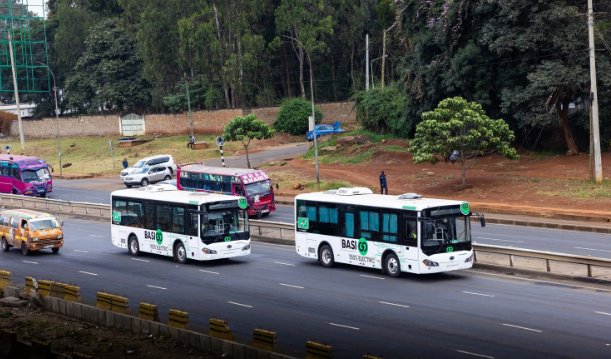
Africa’s major cities, from Dar es Salaam to Nairobi, are growing at an extraordinary pace. This rapid urbanization places immense strain on existing infrastructure, especially public transport. Traditional fleets of diesel-powered buses, known as daladalas in Tanzania or matatus in Kenya, are often old, polluting, and costly to maintain.
A quiet revolution is now underway, driven by innovative startups committed to clean, sustainable urban mobility. Companies like BasiGo are not just importing electric buses; they are engineering an entirely new financial and operational ecosystem designed specifically to overcome the unique challenges of the African market.
1. The Critical Need for Green Mobility in Urban Africa
The transition to Electric Vehicles (EVs) in the public transport sector is a necessity, not a luxury. Diesel emissions contribute significantly to air pollution in urban centers, leading to severe public health issues. Furthermore, reliance on imported fossil fuels creates macroeconomic instability and drains foreign currency reserves.
BasiGo, which began its journey by tackling the Kenyan market, has developed a model that addresses the two main barriers to large-scale electric bus adoption: the high initial purchase price and concerns over battery lifespan and reliability. By making e-buses financially accessible and operationally predictable, these startups are accelerating change across the continent. To keep up with how these shifts are impacting drivers and the wider automotive industry in East Africa, we recommend checking out automag.tz for the latest news and reviews tailored for Tanzanian enthusiasts.
2. The Game-Changing ‘Pay-As-You-Drive’ Model
The single biggest cost component of an electric bus is the battery—it can account for nearly 40% of the total vehicle price, making the initial outlay prohibitive for many local fleet operators.
Technical Insight: Separating the Battery Cost
BasiGo’s solution is the Pay-As-You-Drive (PAYD) model. This innovative financing structure separates the cost of the electric bus chassis from the cost of the battery and charging infrastructure.
- Lower Initial Cost: The operator buys the bus chassis at a price comparable to, or slightly higher than, a traditional diesel bus.
- Battery Subscription: The operator pays a separate monthly or per-kilometer fee for the battery, charging, and maintenance. This fee covers the vehicle’s energy consumption, maintenance, and the vital guarantee of battery performance and replacement.
This PAYD approach transforms the financial risk, making the shift from diesel to electric a clear economic decision rather than a high-risk investment.
Actionable Tip for Fleet Operators: When evaluating the switch to e-buses, look beyond the sticker price. Calculate the total cost of ownership (TCO) over five years, factoring in the predictable PAYD monthly cost versus volatile diesel prices and high maintenance costs of traditional vehicles. This transparent financial structure is often the tipping point for profitability.
3. Economic Efficiency: Why Electric Beats Diesel
For public transport operators, profitability hinges on minimizing operational costs. Electric buses offer inherent advantages that traditional vehicles cannot match.
Running Costs and Maintenance
An electric bus typically has 80% fewer moving parts than a diesel bus. This drastic reduction translates directly into less mechanical wear, fewer failures, and significantly lower maintenance needs. Coupled with cheaper local electricity compared to imported diesel, the daily running costs drop dramatically.
This shift in public transport technology highlights a growing divergence in the Tanzanian vehicle market. While private buyers continue to seek reliable combustion engine vehicles like the Toyota Harrier, Nissan X-Trail, or smaller, economical models like the Toyota IST on platforms dedicated to pre-owned vehicles such as auto24.tz, the public transport sector is pivoting entirely towards zero-emission solutions to secure long-term operational sustainability.
4. Navigating the Infrastructure: Charging and Grid Resilience
A common concern across Africa is whether the existing electricity grid can support a fleet of large electric buses. Startups are tackling this head-on through strategic charging solutions.
Depot Charging Strategy
Rather than relying on public charging stations, BasiGo and similar players focus on depot charging. This involves installing specialized chargers at the operator’s home depot. Buses charge overnight when the grid load is lowest, reducing stress on the local power network.
In Tanzania, effective partnership with the Tanzania Electric Supply Company Limited (TANESCO) is critical for ensuring reliable power supply and establishing designated charging zones, particularly in major hubs like Dar es Salaam and Mwanza.
Actionable Tip for Policymakers: To incentivize rapid adoption, policymakers should prioritize renewable energy integration (solar and wind) into the grid and offer time-of-use tariffs that make off-peak charging for public transport fleets highly economical. Discover additional tips on sustainable policy [Read more here].
5. Expanding the Electric Ecosystem: Beyond the Bus
While electric buses tackle the heavy lifting of urban transport, the impact of electrification is spreading across all vehicle categories. The high volume of two- and three-wheelers (e.g., boda bodas and bajajs) in Tanzanian cities presents another crucial target for decarbonization, with many startups developing affordable battery-swap technology for these smaller vehicles.
For drivers looking to explore sustainable mobility beyond public transport, EV24.africa offers import options for electric cars, expanding choices for environmentally conscious personal transport and smaller commercial fleets that require efficient, zero-tailpipe-emission alternatives.
6. The Road Ahead: Actionable Steps for Tanzanian Adoption
The success of e-mobility requires cooperation between startups, operators, financial institutions, and the government. Tanzania has an opportunity to leapfrog older technologies and establish itself as a leader in green transport.
Key steps include:
- Policy Support: Implementing tax holidays or reducing import duties on electric buses, batteries, and charging equipment.
- Financing: Encouraging local banks to partner with PAYD providers to offer competitive financing rates.
- Skills Development: Investing in local technical training programs for maintaining high-voltage batteries and electric drivetrains. This ensures local mechanics, who currently service diesel fleets, are equipped for the future of transport.
By embracing these innovations, Tanzania can look forward to cleaner air, quieter streets, reduced fuel imports, and a more sustainable, resilient public transport system for generations to come.
Frequently Asked Questions (FAQs) About Electric Public Transport in Africa
Q1: What is the main challenge BasiGo’s Pay-As-You-Drive (PAYD) model addresses?
The main challenge is the high initial capital cost of electric buses, primarily driven by the expensive battery. The PAYD model addresses this by separating the battery cost from the bus chassis cost. Operators purchase the bus at a comparable price to a diesel vehicle, and then pay a predictable per-kilometer or monthly subscription fee for the battery, charging, and maintenance. This turns a massive upfront cost into a manageable operational expense.
Q2: How do the running costs of an electric bus compare to a traditional diesel bus?
Electric buses are generally significantly cheaper to run. They benefit from two major cost savings:
- Lower Fuel Costs: Electricity is typically cheaper and less volatile in price than imported diesel fuel.
- Reduced Maintenance: EV drivetrains have far fewer moving parts than internal combustion engines, leading to fewer breakdowns, less frequent servicing, and lower long-term maintenance expenses. Operators report savings of up to 40% on annual operating costs compared to diesel buses.
Q3: Where do these electric buses get charged, and does it strain the power grid?
Charging primarily takes place at the operator’s private depot overnight. This strategy utilizes off-peak electricity hours when demand on the national grid is lowest. Startups work with local utility companies (like TANESCO in Tanzania) to ensure the depot charging infrastructure is installed correctly and efficiently, minimizing the strain on the existing power network. BasiGo uses a network of DC Fast Charge depots that can recharge a bus in about two hours.
Q4: What are the technical specifications of the batteries used in these electric buses?
BasiGo’s buses, such as the KL-9 model, utilize high-tier, ultra-safe Lithium Iron Phosphate (LFP) batteries from global leaders like CATL. Key specifications include:
- Battery Capacity: Typically around 300 kWh.
- Range: Up to 320 kilometers on a single charge.
- Warranty: Often backed by a long-term warranty, such as 8 to 10 years or up to one million kilometers, which is included in the PAYD subscription.
- Charging Standard: They use the common CCS-2 (Combined Charging System – Type 2) charging standard.
These specifications ensure the buses can meet the demanding daily mileage requirements of urban African routes.
Q5: Will the rise of electric public transport affect the market for pre-owned cars in Tanzania?
The adoption of electric buses in public transport is a separate trend from the private used car market, but both are moving towards more efficient vehicles. While fleet operators focus on e-buses for TCO benefits, the demand for reliable, affordable pre-owned cars like the Toyota IST or Nissan X-Trail for private use remains strong. However, as the EV ecosystem grows, more private buyers may eventually consider imports from sites like EV24.africa as battery and charging technology becomes more accessible.
Q6: Is BasiGo planning to expand operations into Tanzania?
Yes. While BasiGo has successfully deployed over 100 electric buses in Kenya and Rwanda, the Tanzanian market, particularly Dar es Salaam, is a key target for expansion. Recent news indicates that BasiGo’s EV bus strategy has raised interest in Dar es Salaam, with plans for establishing charging depots and working with local operators to launch their PAYD model in the country to help modernize the daladala public transit system.