The East African Community (EAC) is a dynamic automotive battleground, with Kenya and Tanzania standing as the two major economic heavyweights. Both nations are aggressively pursuing foreign investment, developing local assembly capabilities, and positioning themselves as the definitive gateway for regional trade.
The question of who is “winning” is complex, as each country excels in different areas. While Kenya has an early lead in technological adoption, Tanzania is leveraging its strategic port and centralized geographic location. This detailed comparison explores the key metrics—from manufacturing to technology adoption—that define this fascinating race for East Africa’s automotive crown.
1. Manufacturing and Local Assembly: Kenya’s Head Start
Kenya has historically held an edge in established local assembly operations, hosting major regional plants for decades.
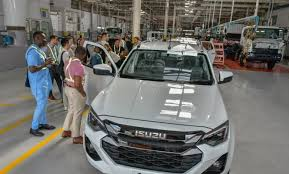
- Kenya’s Strength: Long-standing assembly lines, notably for brands like Isuzu East Africa and associated facilities for other commercial vehicles, have given Kenya a head start in producing vehicles specifically tailored for African conditions. Recent plans for manufacturers like Toyota to expand or establish new plants further solidify this position.
- Tanzania’s Potential: Tanzania is rapidly catching up, utilizing its massive infrastructure investments—particularly around the Port of Dar es Salaam—to attract international manufacturers. Events like the Autoexpo Tanzania are key to securing the necessary international commitments to build and expand local Complete Knock-Down (CKD) operations.
Actionable Car Care Tip: When purchasing an assembled vehicle in East Africa, always check the quality assurance (QA) documentation. Locally assembled vehicles are often built with features optimized for local roads (e.g., heavy-duty suspension). Maintain these specific components diligently to ensure maximum lifespan and performance, as you can read more about on local sites like automag.tz.
2. The Electric Vehicle (EV) Race: Kenya Takes the Charging Lead
In the rapidly accelerating shift to electric mobility, Kenya has clearly positioned itself as the regional frontrunner.
- Kenya’s EV Innovation: Kenya has seen faster adoption rates, driven by pioneering startups like BasiGo (electric buses) and a more receptive regulatory environment for e-mobility. It also boasts Africa’s first hybrid car battery lab.
- Tanzania’s Focus: While Tanzania’s EV sector is growing, its focus has been more centered on strategic public transport projects and leveraging its extensive renewable energy resources (like hydroelectric and solar) to attract investment for large-scale charging hubs.
For drivers looking to explore sustainable mobility, EV24.africa offers import options for electric cars, expanding choices in both markets, but the necessary charging infrastructure remains more prevalent in Kenyan urban centers.
3. Gateway to the Region: Port and Trade Dynamics
This is where Tanzania’s geographic advantages truly shine.
- Tanzania’s Strategic Position: The Port of Dar es Salaam serves as a vital trade gateway not only for itself but for landlocked neighbors like Rwanda, Burundi, Uganda, and the DRC. This makes Tanzania a hugely attractive entry point for manufacturers importing finished vehicles or components destined for the wider region.
- Kenya’s Trade Corridor: The Port of Mombasa is equally crucial, particularly for trade moving north and west, but Dar es Salaam’s expansive infrastructure projects have made it an increasingly competitive alternative for regional distribution.
Logistics Insight: The efficiency of ports directly impacts the cost of vehicles. Faster customs clearance and reduced demurrage fees translate to lower prices for consumers on the forecourt. This fierce competition between Mombasa and Dar es Salaam is ultimately beneficial for East African buyers.
4. The Used Car Market and Affordability
Both nations rely heavily on the importation of second-hand vehicles to meet the overwhelming demand for affordable transport.
- Market Similarity: The popular models are almost identical across both countries—robust, low-maintenance Japanese imports such as the Toyota Vitz, Nissan X-Trail, and Suzuki Swift. These are favored for their fuel efficiency and part availability.
- The Regulatory Factor: Both governments face the ongoing challenge of balancing consumer affordability against the need for stricter age and emission standards to protect road safety and air quality.
For consumers in either country seeking a reliable used vehicle, checking regional inventories provides a good baseline for pricing and availability. To find second-hand cars suitable for these conditions, check out auto24.tz.
Conclusion: A Collaborative Competition
As of late 2025, Kenya retains the lead in EV adoption and established, diversified manufacturing. However, Tanzania is rapidly closing the gap, excelling as a strategic trade hub with immense infrastructure development potential.
Ultimately, the race is less about a single “winner” and more about the strengthening of the entire East African automotive corridor. The healthy competition between Nairobi and Dar es Salaam is driving greater investment, better technology, and ultimately, more choices and greater value for every driver in the region.