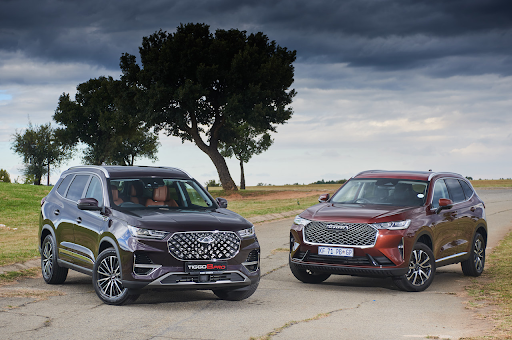
For decades, the Tanzanian automotive market has been dominated by established Japanese and European brands, supplemented by a robust second-hand vehicle import market. However, a seismic shift is underway, driven by the strategic arrival of Chinese powerhouse brands, most notably Chery and Haval (part of GWM).
These newcomers are not just adding to the catalogue; they are fundamentally rewriting the rulebook, offering a combination of modern technology, style, and aggressive pricing that is catching the attention of Tanzania’s growing middle class. Here is a detailed look at how Chery and Haval are transforming the vehicle landscape and what it means for Tanzanian drivers in 2025.
1. The Value Proposition: Technology Meets Affordability
The primary weapon in the arsenal of Chery and Haval is the value proposition. Traditional brands often price advanced features as expensive optional extras. In contrast, models like the Chery Tiggo series (e.g., Tiggo 7 Pro) and the Haval H-series (e.g., Haval H6) come “fully loaded” as standard.
- Premium Features for the Price: Buyers are getting modern comforts such as panoramic sunroofs, digital cockpits, sophisticated infotainment systems, and 360-degree parking cameras—features previously reserved for high-end luxury SUVs—but at a price point that competes directly with entry-level and mid-range competitors.
- Targeting the New Car Buyer: This aggressive pricing and feature-rich strategy is successfully pulling prospective buyers away from the used car market, allowing more Tanzanians to experience the benefits of owning a brand-new vehicle with a full factory warranty.
2. The SUV Focus: Designed for East African Roads
Both Chery and Haval have wisely chosen the SUV/Crossover segment as their entry point into Tanzania. This vehicle type is ideal for the country’s varied infrastructure, offering the ground clearance needed for rural roads while maintaining the comfort desired for urban commutes in Dar es Salaam and beyond.
Popular models like the Chery Tiggo 4 Pro and Haval Jolion are engineered with robust suspension setups and strong chassis construction, which are key for durability on demanding East African terrain.
Actionable Car Care Tip: Because these SUVs are used on varied terrain, drivers must be meticulous about wheel alignment and balancing. Hitting potholes can quickly throw off alignment, leading to uneven tire wear, compromised handling, and increased fuel consumption. Have your alignment checked every 6 months or after any significant impact to maximize tire life. You can find more targeted maintenance guides for SUVs on automag.tz.
3. Addressing the Durability and After-Sales Question
Historically, the main skepticism toward newer brands entering the market has centered on two critical factors: long-term reliability and the availability of spare parts and service. Chery and Haval are tackling this head-on with confidence.
- Industry-Leading Warranties: To build immediate consumer trust, these brands are offering comprehensive and long-duration warranties (often 5 to 7 years) that match or exceed those offered by their established rivals.
- Service Network Investment: Their local distributors are investing heavily in new, authorized service centres and warehousing genuine parts to ensure fast and reliable maintenance. This commitment signals a long-term play, moving beyond simply selling cars to building a sustainable service ecosystem.
Advice for Prospective Buyers: Before purchasing, ask the dealer for details on the cost and frequency of the first three scheduled services. A transparent, pre-paid service plan can lock in maintenance costs and protect your long-term investment.
4. The Hybrid and EV Edge
As the global automotive industry moves towards electrification, Chery and Haval are using their expertise in hybrid and electric vehicle (EV) technology—developed rapidly in China—to gain a competitive edge in Tanzania.
These brands are actively introducing hybrid models (HEVs and PHEVs), which appeal to consumers who want better fuel economy without the anxiety of limited charging infrastructure. For drivers looking to explore sustainable mobility, EV24.africa offers import options for electric cars, expanding choices in the growing eco-friendly vehicle segment in Tanzania, often featuring models from these same innovative manufacturers.
5. Impact on the Used Car Market
The increasing supply of high-specification, affordable new Chinese vehicles is creating pricing pressure on the traditional second-hand market. While used cars remain the bedrock of Tanzanian transportation, popular imports like the Honda Fit, Toyota Probox, and older Suzuki Swift may see their values stabilize or even dip slightly as new, warranted alternatives become viable options.
Savvy buyers can leverage this dynamic. You can still find reliable, low-maintenance cars that fit smaller budgets. To find second-hand cars suitable for these conditions, check out auto24.tz, where pricing trends are constantly shifting in response to new entrants.
Conclusion: A New Era of Competition
Chery and Haval are more than just new badges on the road; they represent a fundamental change in the Tanzanian vehicle landscape. By offering a compelling blend of advanced technology, attractive styling, and aggressive pricing—backed by a focus on after-sales support—they are successfully challenging the established hierarchy. This intensifying competition is excellent news for Tanzanian consumers, promising more choice, better value, and faster adoption of modern vehicle technology.