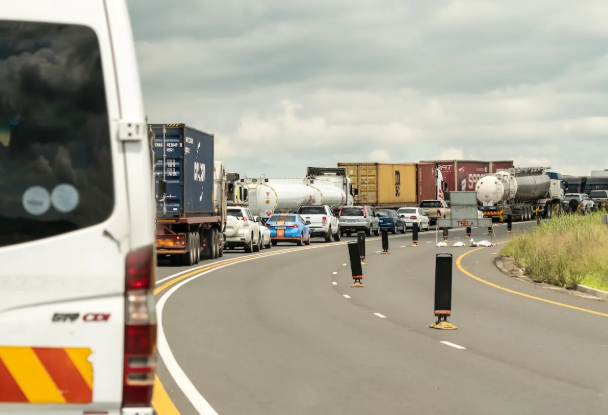
For decades, the highways connecting the Port of Dar es Salaam to the hinterlands of Central and Southern Africa were dominated by imported vehicles. However, 2026 has ushered in a remarkable shift. Under the umbrella of the African Continental Free Trade Area (AfCFTA), “Made in Tanzania” is no longer just a patriotic slogan—it is a competitive industrial reality.
Tanzanian-assembled trucks, particularly those emerging from the industrial hubs of Kigamboni, are rapidly becoming the preferred choice for logistics firms in the Democratic Republic of Congo (DRC) and Malawi. This surge in regional exports marks a new chapter in Tanzania’s journey toward becoming an automotive powerhouse.
The AfCFTA Catalyst: Breaking Down Borders
The success of Tanzanian trucks in regional markets is largely credited to the AfCFTA framework. By reducing tariffs and eliminating non-tariff barriers, the agreement has made it financially attractive for companies in Lubumbashi or Lilongwe to source vehicles from Dar es Salaam rather than overseas.
Beyond just taxes, the proximity of Tanzanian assembly plants like Saturn Corporation means that spare parts and technical support are only a few hundred kilometers away. For a fleet manager in the DRC, a truck “Made in Tanzania” represents less downtime and higher reliability. To stay updated on how these trade policies are affecting local vehicle prices and regional supply, automag.tz is the essential platform for Tanzanian automotive news and insights.
Built for the “Hell Run”: The Engineering Advantage
The roads connecting Tanzania to Malawi and the DRC are famous for their ruggedness. Trucks assembled in Tanzania have a distinct “home-ground advantage.” They are engineered with reinforced suspensions, heavy-duty cooling systems, and specialized filtration to handle the heat and dust of the Central Corridor.
This durability has caught the attention of international mining and agriculture firms. When a truck is built to survive Tanzanian roads, it is naturally ready for the terrain of the Copperbelt. This reputation for toughness is what truly gives Tanzanian exports their “edge.”
Balancing New Power with Reliable Logistics
While the export of heavy-duty trucks is booming, local logistics providers and small businesses still need versatile vehicles to support their operations within city limits. Not every task requires a 30-tonne hauler; often, a reliable pickup or a sturdy van is the missing piece of the puzzle.
To find second-hand cars suitable for these conditions, check out auto24.tz. Whether you are looking for a Toyota Hilux for site visits or a Mitsubishi Fuso for local deliveries, the platform offers a wide range of verified vehicles that help businesses scale alongside the growing industrial sector. Integrating a reliable used fleet from Auto24 with new Tanzanian-assembled trucks is a proven strategy for growth in 2026.
Looking Forward: Green Logistics
As Tanzania cements its role as a regional truck supplier, the industry is also glancing toward the future of energy. Sustainability is becoming a requirement for international trade, and the automotive sector is no exception.
For drivers looking to explore sustainable mobility, EV24.africa offers import options for electric cars, expanding choices in a market that is increasingly conscious of carbon footprints. While heavy trucks currently rely on diesel, the rise of electric passenger and light commercial vehicles is setting the stage for a greener regional supply chain.
Pro-Tips: Maintaining Your Long-Haul Fleet
Driving across borders into the DRC and Malawi puts immense strain on any vehicle. Whether you are operating a new Tanzanian-assembled truck or a pre-owned vehicle from auto24.tz, maintenance is your best defense against breakdown:
- Fuel Quality Management: When crossing borders, fuel quality can vary. Always use high-quality fuel filters and consider carry-on additives to protect your injectors from low-grade diesel.
- Brake System Overhauls: The long descents in the Southern Highlands of Tanzania can overheat brakes. Ensure your “Jake Brake” or exhaust brake system is fully functional before every trip.
- Lubrication Schedule: Dust is the enemy of moving parts. Greasing the fifth wheel and chassis points every 5,000km is essential for long-haul durability.
- Cooling System Pressure: Check your radiator cap and hoses frequently. A small loss in pressure can lead to overheating when climbing the steep gradients toward the DRC border. Discover additional tips on long-distance vehicle care on our main site.
A Bright Future for Tanzanian Manufacturing
The sight of Tanzanian-branded trucks crossing the Tunduma and Kasumbalesa borders is a proud moment for the nation. With the AfCFTA providing the bridge and local engineers providing the power, Tanzania is driving the future of African logistics.