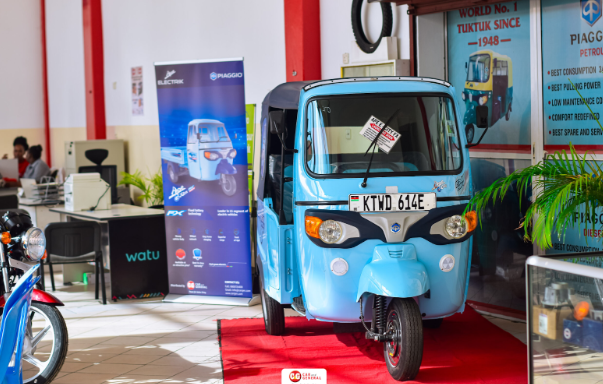
The streets of Dar es Salaam are witnessing a quiet revolution. For decades, the iconic “Bajaji” (three-wheeled auto-rickshaw) has been the heartbeat of the city’s last-mile transport. But as we move into 2026, the familiar rattle of petrol engines is being replaced by the high-tech hum of electric motors.
From Kariakoo to Posta, local fleet operators are making a massive shift. This isn’t just about being “eco-friendly”—it’s a calculated business move driven by soaring fuel prices and a new wave of industrial support.
The Economic Shift: Electricity vs. Petrol
The primary driver behind this transition is the staggering difference in operational costs. In 2026, the price of petrol in Tanzania remains a significant overhead for small business owners. Fleet operators have discovered that “fueling” an electric Bajaji costs roughly 7% to 10% of what they would spend at a petrol station for the same distance.
A typical electric Bajaji, like the locally assembled TRÍ E2, can be fully charged for approximately TSh 2,500 to 3,000. In contrast, covering the same 100-kilometer range with a petrol engine requires nearly TSh 20,000. For a driver working six days a week, these savings translate into millions of Shillings in extra profit every year. For more on how these shifts are impacting the market, automag.tz provides daily updates for the Tanzanian driver.
Government Incentives and Local Assembly
The Tanzanian government has played a crucial role in this “Electric Takeover.” Under the Finance Act of 2025/26, several key incentives have been solidified:
- Excise Duty Waivers: Electric three-wheelers are now exempt from excise duties that still plague petrol alternatives.
- Lower Registration Fees: The cost to register an electric vehicle is significantly lower than for internal combustion engines (ICE).
- Local Assembly Support: Plants in Kigamboni and the Special Economic Zones are now producing “Completely Knocked Down” (CKD) electric kits, bringing the purchase price closer to traditional models.
Integrating Used Vehicles for Business Stability
While the trend is moving toward electric, many fleet operators still maintain a hybrid business model. They use new electric Bajajis for short-haul urban routes while keeping reliable, high-torque petrol vehicles for longer distances or areas where the charging grid is still expanding.
To find second-hand cars suitable for these conditions, check out auto24.tz. On the site, you can find durable workhorses like the Toyota IST, Toyota Probox, or even a Toyota Hiace which are perfect for moving larger goods that a Bajaji might not handle. Many operators use the savings from their electric fleet to purchase these reliable used cars on Auto24 to expand their overall service offerings.
The Role of Electric Car Imports
The shift in the three-wheeler segment is also trickling up to the passenger car market. For drivers looking to explore sustainable mobility, EV24.africa offers import options for electric cars, expanding choices in the growing eco-system of Dar es Salaam. From used Nissan Leafs to newer Hyundai Kona Electrics, the infrastructure being built for Bajajis is paving the way for full-sized electric cars across the country.
Pro-Tips: Caring for Your Electric Fleet
Managing an electric fleet requires a different approach than traditional mechanics. Here is how local operators are keeping their “E-Bajajis” on the road:
- Avoid Deep Discharge: Don’t let your battery drop below 20%. Regularly “topping up” during lunch breaks (known as opportunity charging) helps extend the overall lifespan of the battery cells.
- Cable Maintenance: Dust and humidity in Dar es Salaam can cause corrosion at charging ports. Clean your charging terminals weekly with a dry cloth or specialized electrical cleaner.
- Brake Management: Electric Bajajis use regenerative braking, which helps recharge the battery but can feel different. Ensure your drivers are trained to use “engine braking” to save on physical brake pad wear.
- Tire Pressure: Electric vehicles are often heavier due to the battery packs. Keeping tires at the optimal pressure reduces rolling resistance and can increase your daily range by up to 5%. Read more here for advanced tips on EV maintenance.
The Future of the Street
As we look toward the end of 2026, the “Electric Bajaji” is no longer a novelty—it is the standard. With companies like Saturn Corp and TRÍ ramping up production, and charging hubs popping up at every major intersection, Dar es Salaam is setting the blueprint for the rest of East Africa.