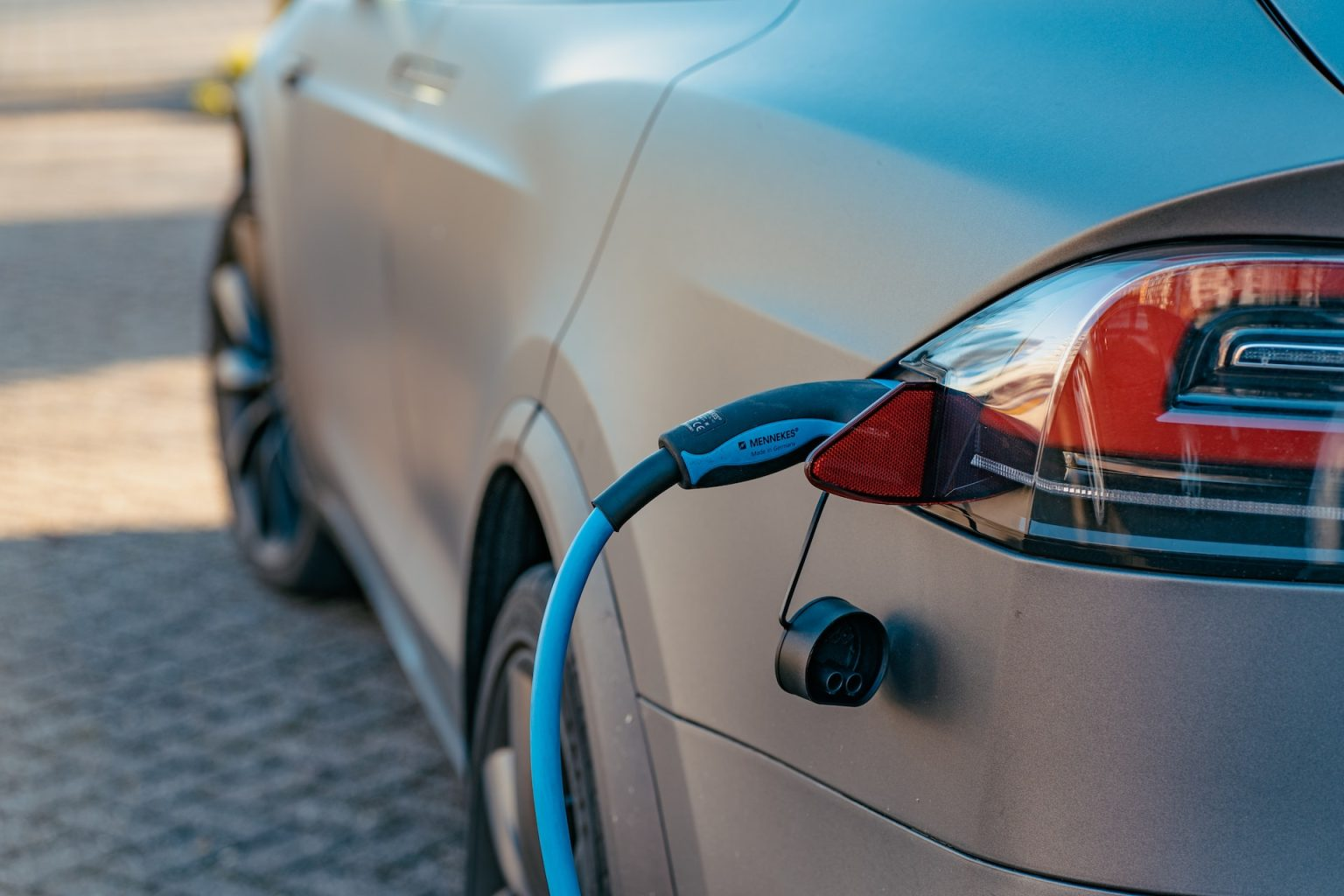
The transition to Electric Vehicles (EVs) is more than just a change in fuel; it’s a massive infrastructural overhaul. While excitement rightly surrounds the arrival of affordable, eco-friendly electric cars in East Africa, a critical question looms: Is the current power grid ready to support a widespread EV boom?
The reality is that while countries like Tanzania are making significant strides in renewable energy generation, the distribution network faces unique challenges. Understanding this grid-versus-growth dynamic is essential for every potential EV owner and policymaker. This article explores the infrastructure hurdles and the innovative solutions emerging across the continent to keep the electric revolution powered.
1. The Power Generation Problem vs. Distribution Reality
Africa boasts immense renewable energy potential, particularly solar and geothermal power, which are perfect for a clean EV transition. However, the core challenge lies not in generating the power, but in getting it to the vehicle’s charging port.
- Peak Load Pressure: A major concern is the impact of mass EV charging during peak household consumption hours (typically 6 PM to 10 PM). If hundreds of vehicles simultaneously draw high power, local transformers and substations could be severely overloaded, leading to localized blackouts or “brownouts.”
- The Last Mile: In many urban and peri-urban areas, the “last mile” infrastructure—the cables and transformers linking the main grid to homes and businesses—was not built to handle the sustained high-amp draw required by modern EV charging units. Upgrading this network is costly and time-consuming.
Actionable Tip for Home Charging: If you plan to install a Level 2 (faster) charger at home, consult a certified electrician. They can assess your home’s main circuit breaker capacity and ensure your wiring can handle the sustained kilowatt (kW) draw without overheating or causing damage. Safety first is the best car care!
2. Strategic Solutions: Decoupling Power from the Grid
The most promising solutions emerging across Africa are those that reduce the direct strain on the existing, centralized utility grid. Innovation is focusing on localized, off-grid or semi-grid charging ecosystems.
- Solar Charging Hubs: Charging stations are increasingly being paired with dedicated solar arrays and battery storage systems. These hubs charge the EV batteries primarily using stored solar energy, minimizing dependence on the national grid, especially during peak hours. This model is highly effective for public charging points and commercial fleets.
- Smart Charging Technology: New software allows charging points to “load balance.” This means they can automatically throttle or delay charging speed based on real-time grid availability, ensuring the grid remains stable while your car still gets charged when it’s least disruptive.
For drivers looking to explore sustainable mobility, EV24.africa offers import options for electric cars, expanding choices in models that often come equipped with smart charging features to manage grid interaction efficiently.
3. The Role of Manufacturers and Dealerships
Manufacturers and their local representatives are recognizing the infrastructure gap and are becoming part of the solution. They are not just selling cars; they are selling a charging ecosystem.
- Integrated Solutions: New vehicle purchases often include partnerships with charging infrastructure providers, offering customers subsidized home installation or access to a growing private charging network.
- Battery Management: Advances in battery technology, which you can read more about on local news sites like automag.tz, mean newer EVs retain their charge better and minimize “vampire drain” (power lost while parked), reducing the frequency of charging needed.
4. What the Grid Challenge Means for Used Car Buyers
While the EV future is exciting, the infrastructure challenge ensures that the internal combustion engine (ICE) vehicle market remains robust and relevant for the foreseeable future. The ICE car market, which includes reliable vehicles like the Toyota IST, Suzuki Swift, and the trusty Nissan Note, remains essential for drivers in areas where charging infrastructure is still underdeveloped.
If you live outside a major metropolitan area or in a location prone to power instability, you might opt for a reliable, fuel-efficient second-hand ICE car while the grid upgrades continue. To find second-hand cars suitable for these conditions, check out auto24.tz.
Car Care Tip for ICE Owners: To bridge the gap, ensure your ICE vehicle is running at its most efficient to reduce your personal carbon footprint. Regular replacement of your air filter and spark plugs will maintain optimal combustion, directly improving fuel economy and keeping emissions low. [Read more here about DIY checks that extend the life of your engine.]
Conclusion: A Dual Path Forward
The path to an electric Africa is not without its speed bumps, but the grid challenge is driving innovation. Instead of waiting for a massive, centralized infrastructure upgrade, the continent is pioneering decentralized, solar-powered charging solutions. This dual approach—upgrading the existing grid while simultaneously building off-grid charging networks—ensures that East Africa can embrace the electric car boom without stalling its development, offering a truly sustainable blueprint for the world.