As 2025 draws to a close, the African automotive sector is undergoing a profound transformation. Fueled by a growing middle class, infrastructural investments, and an urgent global shift towards sustainability, the continent is moving away from being a mere consumer of outdated imported cars to an emerging hub for specialized manufacturing and technological innovation.
For car buyers, business owners, and automotive enthusiasts across Tanzania and the continent, understanding these five key trends is crucial to making informed decisions and anticipating the direction of mobility in 2026 and beyond.
1. The EV Revolution Becomes Practical: Focus on 2- and 3-Wheelers
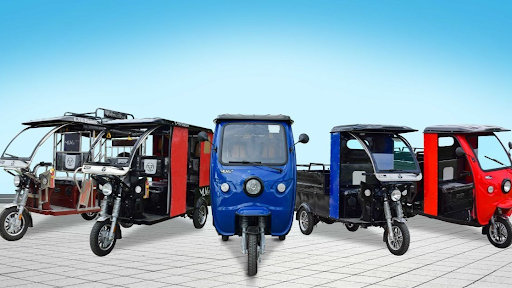
While electric passenger cars (EVs) are growing, the most immediate and impactful electrification trend in Africa involves smaller vehicles. Electric two-wheelers (motorcycles) and three-wheelers (tuk-tuks) are rapidly replacing their petrol-powered counterparts, especially in congested urban areas.
- Why it Matters: This segment is highly resilient to charging infrastructure limitations, as small batteries can be swapped or charged at home with less strain on the grid. They offer lower operational costs, making them instantly appealing for commercial use (delivery, taxi services).
- The Blueprint: Companies are pioneering battery-swapping networks, minimizing downtime and eliminating range anxiety for commercial operators.
For drivers looking to explore sustainable mobility, EV24.africa offers import options for electric cars, expanding choices in this rapidly growing, eco-friendly segment across all vehicle classes.
Actionable Tip: If you operate a small fleet of any kind, track your fuel and maintenance costs closely. The cost savings offered by electric two- and three-wheelers in high-mileage urban use can often justify the upfront investment within a single year.
2. The Rise of the Chinese Powerhouse Brands
The dominance of established brands is being fundamentally challenged by the strategic influx of Chinese manufacturers (like Chery and Haval). These companies are not competing on price alone; they are offering unparalleled value.
- The Value Equation: These brands are bundling advanced technology (digital screens, sunroofs, advanced safety features) into affordable, new-car packages that carry multi-year warranties. This strategy directly undercuts the appeal of older, high-mileage imported second-hand vehicles.
- Localized Assembly: Furthermore, their willingness to engage in local Complete Knock-Down (CKD) assembly in countries like Tanzania and Kenya positions them as long-term partners, securing them a powerful foothold in the new vehicle market. You can track their new model releases and reviews on local sites like automag.tz.
3. Localization and the “African-Spec” Vehicle
Global manufacturers are increasingly moving away from importing generic, globally-tuned vehicles. The new trend is localization, meaning vehicles are being adapted for specific African conditions before they roll off the assembly line.
- Beyond Suspension: This adaptation includes essential technical adjustments: reinforced suspension components, heavy-duty cooling systems to handle consistently high temperatures, and sometimes, simplified electronics to reduce the failure rate associated with dust and electrical fluctuations.
- Investment Zones: Countries with established assembly plants (like Kenya) and major trade gateways (like Tanzania) are benefitting from investment in parts suppliers and technology training.
Car Care Tip: If you own a newly assembled “African-Spec” vehicle, ensure your mechanic understands the maintenance specificities of the reinforced components, such as checking the differential oil or heavy-duty shock absorbers at regular intervals, which may differ from the international manual.
4. The Second-Hand Market: Seeking Cleaner, Younger Imports
The volume of second-hand imports remains high, but the tide is shifting towards prioritizing quality over sheer volume. Governments are increasing pressure to manage the influx of excessively old, high-polluting, and unsafe vehicles.
- Emissions Standards: As nations mature, so does their environmental awareness. Efforts are underway to adopt stricter emission standards (e.g., Euro 4 compliance), which favors younger, cleaner imported vehicles.
- Consumer Diligence: The availability of slightly newer, higher-quality imports—such as the reliable Toyota Passo, Mazda Demio, or the Suzuki Swift—is increasing, leading to a more competitive and safer market for buyers. To find second-hand cars suitable for these conditions, check out auto24.tz.
5. The Digitalization of Vehicle Ownership
The process of buying, financing, and maintaining a vehicle is rapidly shifting online and onto mobile devices across the continent.
- FinTech Integration: Automotive sales are increasingly leveraging Financial Technology (FinTech) services, making loans and asset financing more accessible and quicker to process for both individuals and small businesses.
- Telematics for Commercial Fleets: GPS tracking, remote diagnostics, and fuel monitoring systems are now standard, not just for large logistics companies, but for mid-sized commercial fleets, driving down operational costs and improving security. [Discover additional tips on using telematics to optimize your business fleet via our internal guides.]
Conclusion: Africa Driving Its Own Future
The close of 2025 marks a pivotal moment where the African automotive market is starting to determine its own destiny. The key trends—practical electrification, assertive new global brands, localized manufacturing, a push for cleaner imports, and digitalization—are collectively shaping a future that is safer, more technologically advanced, and crucially, more sustainable for every driver on the continent. The race is on, and the African consumer is the ultimate winner.